Sustainability
Dec 11, 2025

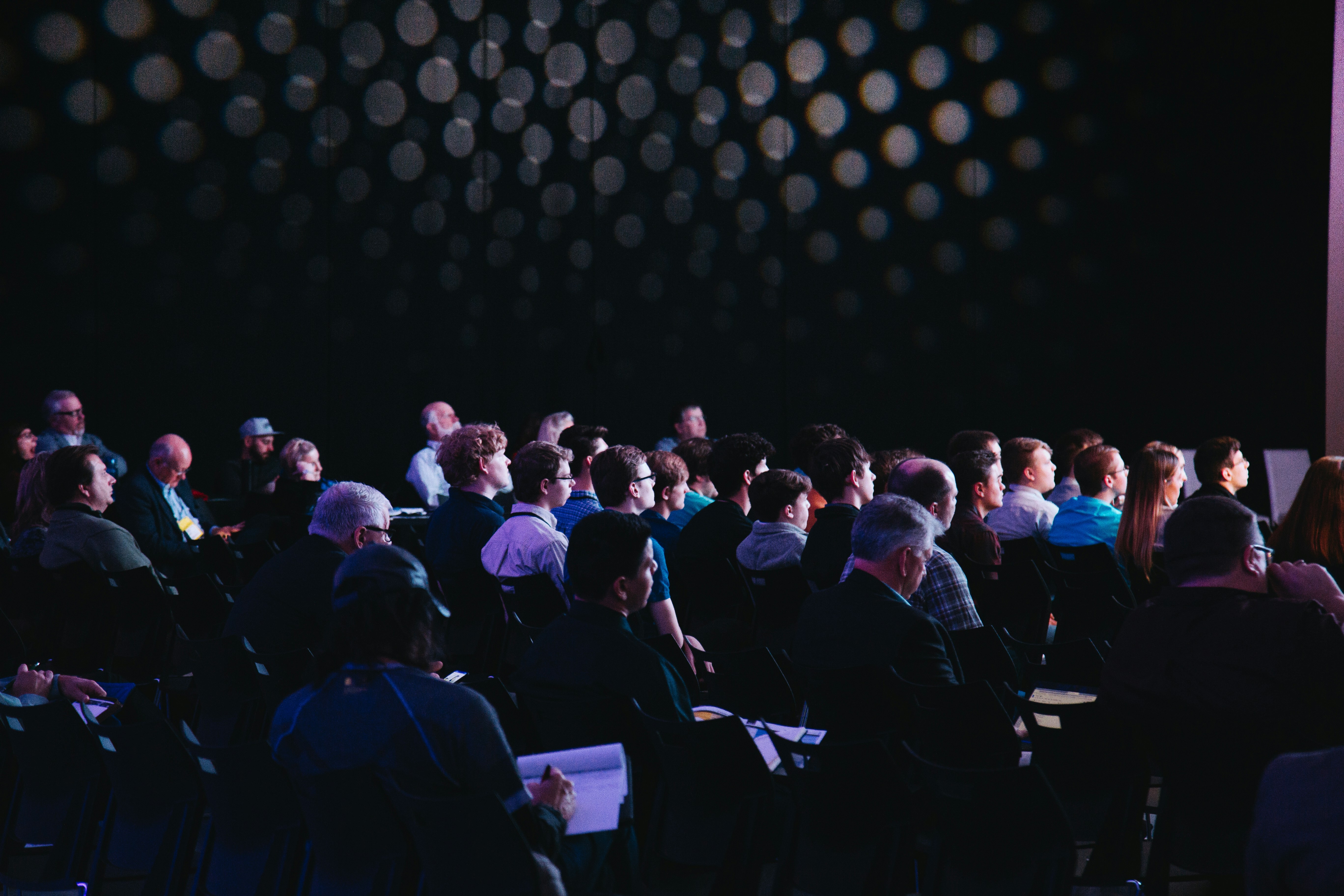
A recent Skift survey of more than 1,000 travel executives produced a finding worth sitting with: only 36% of regular conference-goers said their last event clearly delivered ROI. The majority attended, participated, and left the event, unable to articulate what they actually got from it.
What makes that number more interesting is that attendance hasn't really dropped: 71% still go to at least two events a year. Part habit, part FOMO, part optics – but beyond that, are they really getting what they came for?
The survey paints a consistent picture: panels that go nowhere, sponsor sessions that slide into product demos, and schedules so packed there's no room for conversations and networking.
Underneath all of that is a more fundamental issue. More than half of respondents said in-person attendance only makes sense if they hear or experience something they couldn't have picked up from a report or a quick call. That's a high bar — and one that most events currently don't clear. When the content could have been a slide deck and the networking could have been a LinkedIn message, it's hard to justify time away from the desk.
Closing that gap between attendance and actual value isn't complicated, but it does require asking different questions at the planning stage. Over 50,000 events we’ve delivered for corporate clients, we’ve established what makes the difference between an impactful event and just “a good day out”.
"The briefs we receive often focus heavily on logistics — capacity, catering, AV — and sometimes content is treated as a box to fill rather than a problem to solve," says Ryan Grieve, Head of Meetings and Events at HeadBox. "What we try to do is work backwards from the attendee — what do they need to hear, from whom, and in what format — and build from there."
Start with the outcome. Before a venue is shortlisted or a date confirmed, the most important question is: what should attendees take away from this event? That answer shapes everything — format, speaker selection, session length, even things like AV and food choices.
Make the in-person case. If attendees are asking whether the event justifies showing up, the design needs to answer that question clearly. Events provide a unique opportunity in the digital age to prioritise connection. Incorporate immersive experiences, natural connection, and ensure the venue supports this priority. "When the space has some character and reflects what the event is actually trying to do, people show up differently," says Chantal Mendes, Head of Client Services at HeadBox. "It signals that the whole event experience has been thought through."
Design for connection, not just content. Meaningful networking rarely happens by accident in a crowded coffee break. It requires deliberate design: curated introductions, topic-led roundtables, shared experiences that give people something to talk about. Some of our recent events incorporate specialist facilitators and AI-powered networking tools to make meaningful connections effortlessly.
Own the follow-through. This is where most events lose the value they generated on the day. "We include post-event deliverables as a standard part of the event ideation conversation," says Emma Nunes-Vaz, Senior Meetings and Events Consultant at HeadBox. "A same-day summary, a structured follow-up, a reason for attendees to stay connected — these things don't happen unless someone owns them in advance."
The Skift findings are a useful signal, but for corporate planners, the implication is straightforward: the standard for what makes an event worth attending has risen, and the gap between "fine" and "genuinely valuable" is one that thoughtful, intentional planning can close.
Planning a corporate event in 2026? HeadBox's meetings and events team works with clients from brief to execution — with venue matching, supplier sourcing, and the strategic guidance to make sure your event delivers. Get in touch.